
Understanding GLP-1 Weight Management Programs
Struggling to see progress despite making consistent lifestyle changes? Many people find themselves in this position—diet and exercise alone don't always produce the outcomes people hope for. That's where clinician-supervised telehealth services can help by connecting eligible patients with licensed providers who can evaluate GLP-1 medication options.
GLP-1 medications work by interacting with hormones that influence hunger, digestion, and satiety. They aren't appropriate for everyone, and a qualified clinician must assess your individual health profile to determine whether they may be suitable for you.
Why Clinician-Guided Support Matters
Weight management is a complex process influenced by factors beyond personal habits—including metabolism, hormones, and long-term behavioral patterns.
Clinician-guided GLP-1 programs are structured to work alongside the body's natural regulatory mechanisms, providing a more comprehensive framework than lifestyle changes alone in some cases.
Common reasons people look into these programs:
- Plateauing despite consistent diet and exercise efforts
- Difficulty managing persistent hunger or food cravings
- Seeking structured, medically supervised guidance
- Preferring a longer-term, professionally monitored approach
What Participants Sometimes Report (Individual Results Vary)
Experiences differ significantly from person to person, and no specific outcome is guaranteed. That said, people who have used GLP-1 programs under clinical supervision have sometimes reported:
- More consistent progress compared with previous unsupported attempts
- Greater awareness of hunger signals, which may support healthier choices
- An easier time maintaining daily routines alongside the program
- Increased motivation tied to observable milestones over time
How a Clinician-Supervised GLP-1 Program Typically Works
These programs are designed to complement how the body regulates appetite, energy balance, and digestion—rather than relying on willpower alone.
Rather than expecting willpower to override ingrained patterns, the goal is to provide physiological support that can make consistency more achievable for some individuals over time.
A stepped, personalized approach
Most GLP-1 programs begin with a lower dose and adjust incrementally based on how each patient responds—a process known as titration.
A licensed clinician reviews your situation, monitors your progress, and guides each stage—helping to confirm the plan remains appropriate as your treatment continues.
What to Look for in Any GLP-1 Provider
Every telehealth service structures its program differently. When evaluating any provider, pay close attention to how they manage dosage adjustments, payment options, and ongoing access to prescribers.
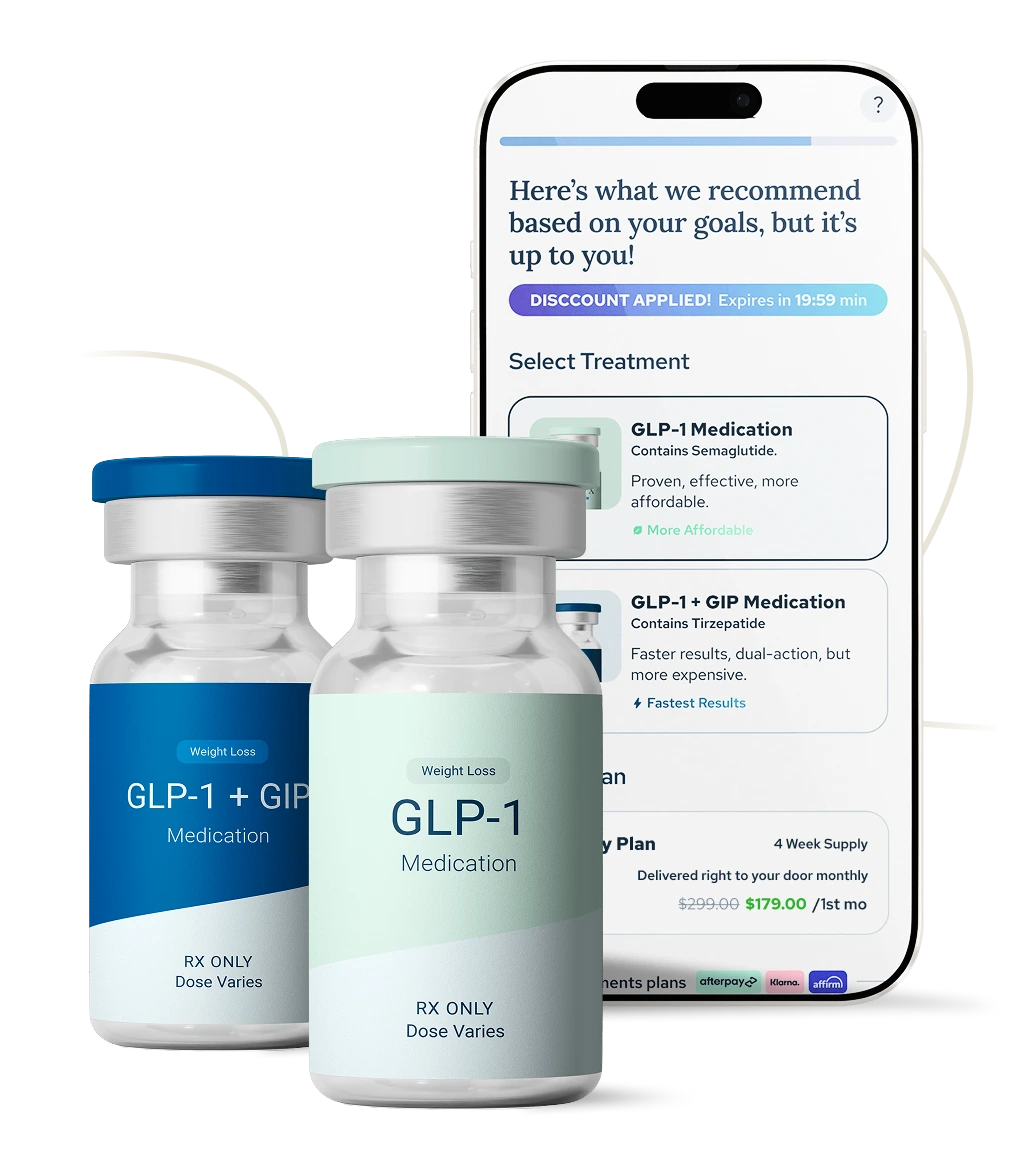
Use the program summary cards above for a general overview, then confirm all details directly on each provider's website before making any decisions.
Important Factors to Review Before Enrolling
To make a well-informed decision, consider the following:
- Total cost structure — What's included in the program fee versus billed separately
- Ongoing clinical support — Whether follow-up care is continuous or limited to an initial consultation
- Delivery and availability — Shipping timelines and geographic restrictions
- Program components — What coaching, check-ins, and monitoring are included
Accessible Entirely Online
Many GLP-1 telehealth services now offer a fully digital experience, which may include:
- Online intake questionnaires to assess potential eligibility
- Secure payment processing
- Discreet home delivery of prescribed medications
- Ongoing communication with your assigned care team
This format reduces barriers to getting started for many people, though it's important to verify that you receive proper medical evaluation—not just a quick checkout process.